Accordion Musical Notes Card: A 3D SVG Shape That Adds Depth and Melody to Design Projects
First Impressions: A Playful Yet Polished Visual Element
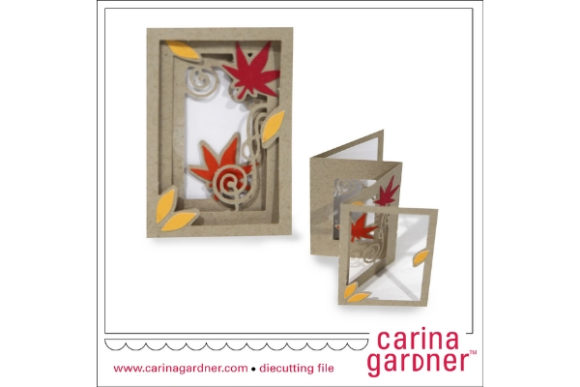
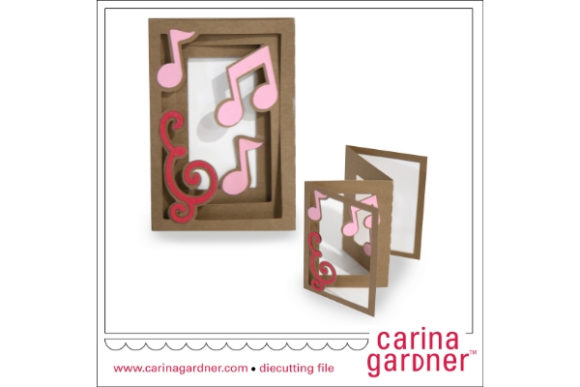
Opening the Accordion Musical Notes Card zip file, I was immediately drawn to the unique blend of musical charm and dimensional detail. The 3D SVG format gives it a sculptural quality that stands out from flat illustrations, while the clean PNG versions ensure compatibility across platforms like Cricut Design Space, Silhouette Studio, and Adobe Illustrator. It’s the kind of design asset that feels both nostalgic and modern—a perfect fit for creative design projects with a handmade or artisanal edge.
Setting the Mood: Whimsical, Inviting, and Full of Personality
This design asset radiates a lighthearted energy. The accordion folds and musical notes suggest movement and melody, making it ideal for projects that aim to feel fun, expressive, or emotionally engaging. It’s not just decorative—it tells a story. Whether used in branding for a local music festival, packaging for a boutique bakery with a love of jazz, or social media graphics for a handmade Etsy shop, the Accordion Musical Notes Card adds a layer of narrative and warmth.
Practical Use in Real Design Scenarios
As a designer working across both print-on-demand and digital branding, I often look for assets that can pull double duty. Here’s where the Accordion Musical Notes Card shines:
- Logo design: Works as a supporting icon or secondary logo element for music schools, indie bands, or creative studios.
- Product labels: Great for vinyl record packaging, artisan chocolate boxes, or seasonal beverage labels.
- Sticker design: The SVG format allows for easy resizing and cut lines, making it perfect for vinyl stickers or planner stickers.
- Social media graphics: Use as a themed header or accent in Instagram posts or Pinterest pins for music-related brands.
- Printable wall art: Incorporate into Canva templates or digital downloads for music lovers or nursery decor.
- Merchandise: T-shirt design, tote bags, and mugs benefit from its playful nature and strong visual presence.
Where It Excels: Hero Graphics, Themed Collections, and Decorative Accents
This asset performs best when given room to breathe. On large layout areas like posters, product mockups, or website hero sections, the Accordion Musical Notes Card becomes a focal point that anchors the design. It also works beautifully in themed collections—think holiday campaigns, music-themed product lines, or educational branding for children’s books or apps.
As a decorative accent, it pairs well with script fonts and soft color palettes, enhancing the emotional appeal of a design without overwhelming the visual hierarchy. In packaging design, it can be used subtly on gift tags, thank-you cards, or custom tissue paper to reinforce brand consistency.
Where to Use It Carefully: Minimalist Branding and Small-Scale Layouts
While the Accordion Musical Notes Card brings a lot of visual character, it’s not a one-size-fits-all solution. In minimalist branding or corporate materials where clean lines and simplicity are key, this design asset may feel out of place. It should also be used cautiously in small-scale layouts like mobile banners or app icons, where the intricate folds and musical notes can become muddled or lose clarity.
On complex backgrounds or in high-contrast designs, it may struggle to stand out unless properly layered or adjusted. For projects that require strict visual hierarchy and readability, it’s best used as a supporting element rather than a primary graphic.
Impact on Branding and Audience Engagement
When used thoughtfully, this creative design can elevate the professionalism and emotional resonance of a project. It adds a tactile, almost nostalgic quality that builds visual trust and recognition—especially for small business branding or handmade businesses looking to stand out in a digital marketplace.
From a designer’s perspective, it’s not just about aesthetics—it’s about how the asset contributes to the overall impression of the brand. The Accordion Musical Notes Card invites interaction, whether through a physical product label or a digital ad, increasing audience engagement through its visual storytelling.
Designer Notes: Testing and Compatibility Checks
Before integrating this asset into a client project, here are key checks I always perform:
- Test in black and white: See how it holds up in monochrome, especially for print projects where color may vary.
- Check contrast: Preview on both light and dark backgrounds to ensure visibility and balance.
- Preview at different sizes: Confirm that details remain clear at small sizes for stickers or mobile graphics.
- Place on real mockups: Test how it integrates into product mockups for t-shirts, mugs, or packaging.
- Test print quality: Especially for 3D SVGs, ensure the printed output maintains depth and clarity.
- Review file formats: Make sure both SVG and PNG files are included and properly named.
- Inspect PNG transparency: If transparency is needed, confirm the PNG files have clean alpha channels.
- Edit SVG paths: Open in Adobe Illustrator or similar to check vector editability and layer structure.
- Pair with fonts: Try it with serif, sans serif, script, and handwritten fonts to find the best typographic harmony.
- Confirm licensing: Always verify commercial license terms before using in client work or digital products.
Final Thoughts: A Valuable Addition to Your Design Toolkit
The Accordion Musical Notes Card isn’t just another clipart download—it’s a well-crafted graphic design asset that brings both style and substance to a wide range of creative projects. Whether you're building a brand identity for a local music shop, designing a seasonal Canva template bundle, or creating a line of sublimation mugs for a boutique, this asset adds a touch of musical elegance and dimensionality that’s hard to replicate with standard illustrations.
For designers, marketers, and digital sellers working in creative marketplaces or print-on-demand spaces, this 3D SVG shape is a versatile and professional-grade tool. With the right application and a few technical checks, it can become a standout feature in your next design project—both visually and emotionally resonant with your audience.