Crib: A 3D SVG Shape for Modern Branding and Marketing Visuals
First Impressions: A Versatile 3D SVG for Lifestyle and Product Branding
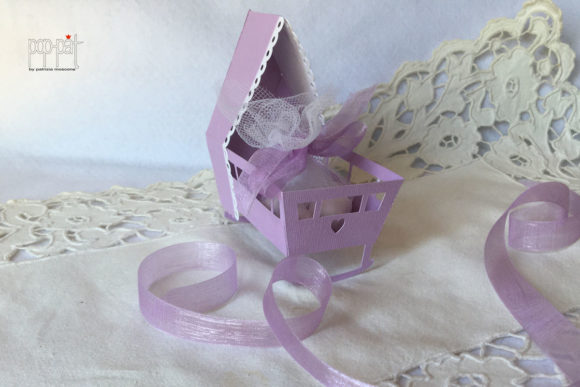
As a brand designer and content marketer, the first thing that caught my eye with Crib was its clean, modern structure and dimensional depth. It’s a 3D SVG design that feels both functional and decorative, making it ideal for brands that want to add visual interest without overwhelming their audience. The design has a subtle handmade charm, yet maintains a professional edge—perfect for small businesses, creative entrepreneurs, and digital sellers looking to elevate their visual content strategy.
Setting the Mood: Casual Yet Polished Visual Tone
Crib brings a warm, approachable energy to branding materials. It doesn’t scream luxury, but it definitely avoids looking cheap. The soft contours and layered structure suggest craftsmanship and attention to detail. This makes it a strong fit for lifestyle brands, boutique shops, parenting content creators, and seasonal product launches where the goal is to feel relatable yet polished. Whether used in a Pinterest graphic or a packaging insert, Crib adds a touch of sophistication without sacrificing approachability.
Real-World Use: A Social Media Campaign for a New Product Launch
Let’s imagine a small business launching a line of organic baby products. They need a visual hook for their social media campaign—something that communicates care, comfort, and modern design. Crib fits perfectly here. It can be used as a background accent in Instagram Stories, a decorative frame for product images, or even as a central visual in a lead magnet PDF promoting a free parenting guide. Because it’s available in multiple formats (SVG, DXF, PDF), it’s compatible with popular design tools like Cricut Design Space and Silhouette Studio, making it easy to integrate into both digital and print workflows.
Brand Identity and Logo Design: A Supporting Player with Impact
While Crib isn’t a logo in itself, it can serve as a powerful supporting element in a brand’s visual identity. For example, it could be incorporated into a brand’s submark or used as a recurring motif in social media templates. Its layered 3D structure makes it visually engaging, especially when used alongside minimalist logos or clean typography. This contrast helps establish a clear visual hierarchy and reinforces brand recognition across platforms.
Packaging and Print Design: From Labels to Inserts
For product-based businesses, packaging is a critical touchpoint. Crib works well as a decorative accent on packaging inserts, thank-you cards, or even as a die-cut shape on product tags. Its SVG format allows for precise cutting with machines like Cricut and Scan-N-Cut, making it a practical choice for small-scale production. The design maintains its clarity even when scaled down, which is essential for product labels and stickers.
Social Media Graphics: Pinterest, Instagram, and Facebook Ads
When it comes to visual content creation, Crib shines in platforms like Pinterest and Instagram. Its shape is eye-catching without being distracting—ideal for Pinterest pins that need to stand out in a feed. On Instagram, it can frame product shots or be used as part of a carousel post. In Facebook and digital ad campaigns, Crib can help create a premium feel without overcomplicating the message. Just be mindful of contrast and placement—this asset works best when it supports, not competes with, the main content.
Content Creation and Digital Marketing: From Canva Templates to Lead Magnets
Content creators and bloggers will appreciate how easy Crib is to integrate into Canva templates, editorial layouts, and downloadable resources like checklists or guides. It’s especially effective in content kits for creative entrepreneurs—think media kits, brand boards, or printable promotions. The SVG format ensures scalability, and the layered design adds depth to digital products without requiring advanced design skills.
Where Crib Excels: Hero Graphics, Campaign Headers, and Branded Templates
- Hero graphics – Use Crib as a background element on landing pages or campaign headers.
- Branded templates – Ideal for recurring content like weekly newsletters or social media story templates.
- Product launch visuals – Adds a modern, premium feel to teaser graphics and promotional banners.
- Decorative brand elements – Perfect for subtle accents in editorial layouts and content bundles.
Where to Use Crib Carefully: Formal Branding and Small-Scale Graphics
While Crib is versatile, it’s not a one-size-fits-all solution. Avoid using it in formal corporate branding or legal documents where minimalism and seriousness are key. It can also get lost in small mobile graphics or dense information layouts. If your brand leans heavily on minimalism or uses a lot of text-heavy ads, test Crib in context before committing to it across your campaign visuals.
Practical Designer Notes Before Using Crib
- Test with your brand colors – Ensure it complements your existing palette and doesn’t clash with your primary brand hues.
- Check black and white versions – See how it looks in grayscale for print or accessibility purposes.
- Mock it up in real campaigns – Place it inside your actual marketing visuals to evaluate balance and readability.
- Preview on mobile – Confirm it looks clean and clear on smaller screens.
- Test with different fonts – Pair it with serif, sans serif, script, and display fonts to see how it affects overall tone.
- Review spacing and alignment – Make sure it doesn’t crowd other elements or disrupt visual flow.
- Confirm commercial licensing – Always double-check that you have the right to use the design in paid campaigns or client work.
Final Thoughts: A Smart Addition to Any Creative’s Design Bundle
Crib is more than just a decorative shape—it’s a functional graphic design asset that bridges the gap between creative design and professional branding. Whether you’re a small business owner building a content kit or a marketer launching a seasonal campaign, Crib offers flexibility, scalability, and visual appeal. Just like any design asset, its success depends on how well it aligns with your brand’s tone and goals. Used thoughtfully, it can elevate your marketing visuals, reinforce brand consistency, and help your content stand out in a crowded digital space.