Panda Card: 3D SVG Shape for Modern Brand Packaging & Local Business Design
First Impressions: Friendly, Playful, and Versatile
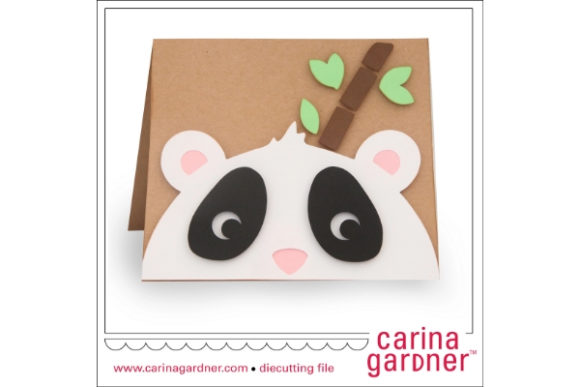
Opening the Panda Card design pack, I immediately noticed the charming, slightly whimsical aesthetic. This 3D SVG shape carries a soft, approachable energy that suggests a brand personality rooted in warmth, simplicity, and a touch of fun. It feels like a perfect fit for small businesses that want to appear friendly and trustworthy without leaning too casual or unpolished.
Whether it's for a boutique bakery, a children’s product brand, or a local skincare line, Panda Card offers a visual tone that balances playfulness with professionalism. It’s not overtly rustic or minimalist, but it does have enough character to stand out on shelves or in social media visuals.
Real Business Use: From Product Labels to Seasonal Packaging
As a brand designer, I often look for design assets that offer flexibility across multiple touchpoints. Panda Card delivers on that front. Here’s how it could be used in real small business branding projects:
- Product labels: Ideal for food packaging, candles, or handmade soap—especially when you want to highlight a seasonal or limited-edition item.
- Thank-you cards: Works beautifully as a central design element on printed or digital thank-you inserts for boutique shops or Etsy sellers.
- Social media graphics: Use the shape as a background or overlay for Instagram stories, product carousels, or promotional posts.
- Seasonal packaging: The shape adapts well to holiday themes or limited-time packaging with simple color swaps or added icons.
- Business cards & hang tags: Especially effective for children’s brands, toy shops, or eco-friendly product lines.
How Panda Card Elevates Brand Presentation
One of the key challenges in local business branding is creating a consistent, memorable visual identity. Panda Card helps small business owners achieve that in several ways:
- Stronger first impression: Its unique shape catches the eye and adds a custom feel to packaging and promotional materials.
- Better product recognition: When used across labels, packaging, and social media, it becomes a recognizable brand symbol.
- Clearer visual hierarchy: The shape can be used to frame or highlight key elements like product names or promotional offers.
- More consistent brand identity: Whether used in print or digital formats, Panda Card supports cohesive design across platforms.
- Improved customer trust: A well-designed package or social post conveys professionalism and attention to detail.
Where Panda Card Works Best
Based on my experience with packaging and brand design for local businesses, here are the top applications where Panda Card truly shines:
- Product labels: Especially for food, beverage, and wellness brands looking for a soft, approachable look.
- Packaging accents: Use as a decorative element on mailers, gift boxes, or seasonal packaging inserts.
- Hero graphics: Great as a background or central visual in promotional banners or landing pages.
- Seasonal campaign visuals: Easily adapted for holidays or limited-time promotions with color and icon tweaks.
- Social media campaign graphics: Perfect for branded templates in Canva or Adobe Express for consistent content creation.
When to Use Panda Card with Caution
While Panda Card is versatile, it’s not a one-size-fits-all solution. Here are a few situations where it might not be the best fit:
- Formal corporate branding: Its playful nature may not align with serious or luxury-oriented brands.
- Very small labels: Details in the 3D SVG may get lost when scaled down significantly.
- Crowded product packaging: If the layout already has a lot going on, this shape could add visual clutter.
- Ingredient-heavy layouts: Not ideal for packaging that requires large amounts of text or legal information.
- Low-contrast backgrounds: The design may not stand out clearly if the background color is too similar.
Designer Notes: Practical Tips for Using Panda Card
Before deploying Panda Card in a client project or personal brand rollout, here are some practical checks I recommend:
- Test it on real packaging mockups: See how it looks when applied to a box, label, or thank-you card in a 3D mockup.
- Check black and white usage: Does it still work in monochrome? Important for print or accessibility needs.
- Preview on small labels: Ensure the details remain clear and not pixelated when scaled down.
- Test with brand colors: Make sure it complements your existing color palette and doesn’t clash.
- Compare with competitor packaging: Stand out without looking out of place in your industry.
- Review PNG transparency: Confirm the transparency works as expected in your chosen design software.
- Inspect SVG or vector editability: Check if the layers are organized and easy to modify in Adobe Illustrator or similar tools.
- Test with different fonts: Try pairing it with serif, sans-serif, script, and display fonts to see what feels most cohesive.
- Confirm commercial licensing: Always verify that the asset is cleared for use in client work or physical product sales.
Final Thoughts: A Smart Addition to Local Brand Design Kits
In the world of small business branding, finding a design asset that’s both charming and functional is a win. Panda Card strikes that balance. Whether you're a packaging designer working on a new candle brand or a creative entrepreneur launching a line of organic skincare products, this 3D SVG shape offers a flexible, visually engaging tool that can elevate your brand presentation.
From product packaging to social media, Panda Card supports a cohesive, professional look that resonates with customers and reinforces your brand identity. As long as it’s used thoughtfully and tested across applications, it’s a smart investment for any small business looking to stand out in a crowded market.