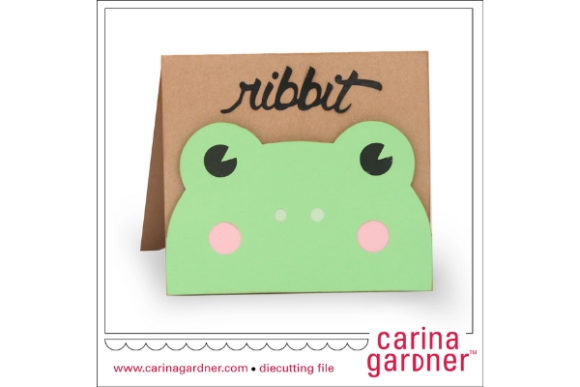
Frog Card: A Playful 3D SVG Shape for Blog Graphics and Digital Design
First Impressions: A Fun, Artistic Design Asset for Lively Content
Opening the Frog Card design package immediately brings a smile. The 3D SVG shape is rendered with clean lines, subtle textures, and a charming cartoon-style frog motif that feels both whimsical and modern. This isn’t a serious or minimalist graphic—it’s one that leans into playfulness, making it ideal for bloggers, educators, and content creators in lifestyle, parenting, or creative niches.
The zip file includes both SVG and PNG versions, ensuring compatibility with major design tools like Adobe Illustrator, Cricut Design Space, Silhouette Studio, and Canva. For a digital publisher, that kind of flexibility is a big plus—especially when working across platforms and formats.
Setting the Editorial Tone: When to Use Frog Card in Content Publishing
This design asset brings a lighthearted, artistic energy to any layout. It works best in content that aims to be approachable, fun, or educational—think children’s resources, nature guides, DIY tutorials, or seasonal crafts. It’s not suited for corporate whitepapers or high-end fashion blogs, but for a parenting blog, a nature newsletter, or an art-based digital guide, it’s a perfect fit.
Used as a featured image accent, a Pinterest pin border, or a header graphic, Frog Card adds a unique visual identity to your brand. It tells readers that your content is creative, hands-on, and designed with personality.
Real-World Use Cases: From Blog Headers to Social Media Graphics
As a blog designer, I tested Frog Card in several real publishing workflows:
- Blog featured images: Great as a decorative header or sidebar element in lifestyle or educational posts.
- Pinterest pins: Works well as a themed border or central icon in DIY or seasonal content graphics.
- Newsletter banners: Adds a friendly, branded touch to email headers, especially for creative or family-focused newsletters.
- Downloadable resources: Perfect for digital guides, worksheets, or printables aimed at kids, educators, or hobbyists.
- Social media posts: Ideal for Instagram stories, Facebook posts, or TikTok thumbnails needing a cute, engaging visual.
- Canva templates: Easy to integrate into drag-and-drop designs for quick, cohesive branding across multiple platforms.
Its 3D depth gives it a slight realism that helps it stand out from flat design trends, while the SVG format ensures crisp scaling across devices and resolutions.
How Frog Card Boosts Content Performance
Visual assets like Frog Card can have a measurable impact on how readers engage with your content:
- Better first impressions: Unique, well-designed graphics help your blog or social media post stand out in a crowded feed.
- Stronger visual hierarchy: The frog shape naturally draws the eye, helping to direct attention to headlines or calls to action.
- Higher click-through rates: Especially on Pinterest or social media, a recognizable visual theme increases engagement and traffic.
- More consistent branding: Using themed design assets across your content helps build a cohesive brand identity.
- Improved reader trust: Professionally designed graphics signal quality and care, boosting perceived authority.
- Clearer category recognition: Repeated use of Frog Card in specific content types (like seasonal posts or printables) builds visual cues readers come to expect.
Where Frog Card Works Best
Based on testing, here are the best placements for Frog Card:
- Hero images: As a background accent or overlay in seasonal or nature-themed landing pages.
- Article thumbnails: Especially for blog posts targeting kids, parents, or educators.
- Pinterest pins: A strong visual hook for DIY, crafts, or educational content.
- Newsletter headers: Adds a personal, branded feel to email campaigns.
- Downloadable printables: Ideal for worksheets, coloring pages, or activity guides.
- Social media previews: Works well as a central image or border in post thumbnails.
Where to Use Frog Card with Care
While Frog Card is versatile, it’s not a one-size-fits-all design asset. Avoid using it in these contexts:
- Small mobile thumbnails: The details may get lost on tiny screens.
- Text-heavy blog images: Can compete with headlines or captions if not balanced properly.
- Low-contrast backgrounds: May fade into the background if not layered correctly.
- Busy layouts: Clashes with other decorative elements or complex visual systems.
- Serious professional niches: Doesn’t align with corporate, legal, or finance-focused content.
- Minimalist websites: Overly ornate for ultra-clean, modern design systems.
Publisher Notes: What to Test Before Publishing with Frog Card
Before publishing live, I recommend running these quick checks:
- Test on desktop and mobile: Ensure the SVG scales cleanly and doesn’t pixelate.
- Preview as a thumbnail: Does it still look clear and recognizable at 150x150px?
- Place in a real blog layout: How does it work with your header font, sidebar, and body text?
- Try with headline text: Does it interfere with readability or contrast?
- Check black and white version: Some colors may not translate well to grayscale or print.
- Pair with different fonts: Works best with script, handwritten, or rounded sans-serif fonts.
- Review file size: Large SVGs can slow down page load—optimize before publishing.
- Confirm licensing: Make sure it’s cleared for commercial use if you’re using it in affiliate marketing, digital downloads, or paid content.
Final Thoughts: A Versatile Graphic Design Asset for Creative Publishers
Frog Card is more than a cute illustration—it’s a flexible design asset that supports real content marketing goals. Whether you’re building a digital guide, crafting a Pinterest pin, or designing a blog header, this 3D SVG shape brings a playful, artistic flair that resonates with readers.
For bloggers, educators, and small business owners looking to elevate their visual content without hiring a designer, Frog Card is a smart addition to your creative toolkit. Just remember to use it thoughtfully—match it to your niche, test it in context, and always keep readability and performance in mind.
If you're building a brand identity that leans into creativity, nature, or education, Frog Card could be the visual hook that makes your content more clickable, memorable, and editorially strong.