Reviewing Slimline Card Envelope: A 3D SVG Design for Blog Graphics & Editorial Content
First Impressions: Stylish, Versatile, and Editorial-Ready
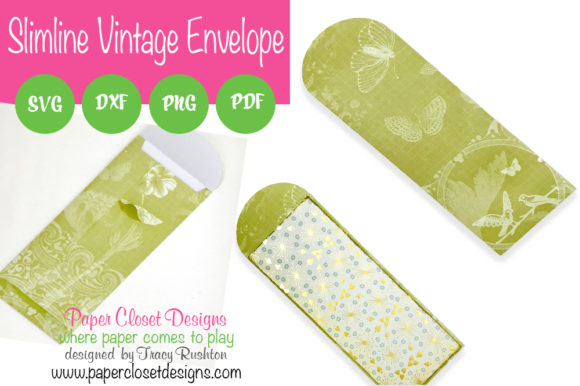
The Slimline Card Envelope immediately stands out as a polished design asset that blends functionality with visual storytelling. Its slim, elongated format (designed to fit a standard slimline card) gives it a modern, curated feel—perfect for bloggers, content creators, and digital marketers who want to elevate their visual communication. The envelope includes a detailed exterior embellishment panel, which adds a decorative but not overly ornate touch, making it ideal for lifestyle, creative, and design-focused niches.
Setting the Editorial Mood: Elegant, Trustworthy, and Visual
When used in editorial layouts, the Slimline Card Envelope conveys a sense of elegance and professionalism. It naturally supports content that feels curated—think digital guides, newsletter headers, or downloadable printables. The design leans toward a feminine and artistic aesthetic, but its clean lines and structured format make it adaptable to modern, minimal, and even seasonal content themes. It’s not overly playful, nor is it strictly corporate—it strikes a balance that works well for creative entrepreneurs, small business branding, and affiliate marketing visuals.
Real-World Publishing Uses for Slimline Card Envelope
This graphic design asset shines in real content workflows. Here’s how I’ve used it across different publishing formats:
- Blog featured images – Great for framing article thumbnails with a soft, elegant touch.
- Pinterest pins – Works beautifully as a card-style layout with room for headline text and visual accents.
- Email newsletter headers – Adds a tactile, premium feel to digital newsletters and lead magnets.
- Downloadable resources – Perfect for wrapping digital guides, worksheets, or printable design kits.
- Canva templates – Integrates easily into drag-and-drop design tools for fast, professional content creation.
- Digital product covers – Enhances the visual appeal of eBooks, media kits, and affiliate content packages.
How It Boosts Content Performance
Incorporating the Slimline Card Envelope into your design toolkit can significantly enhance content performance. Here’s how:
- Stronger first impression – Its unique format immediately draws attention in feeds and on landing pages.
- Clearer visual hierarchy – The structured layout helps guide the viewer’s eye to key content elements.
- Better click-through potential – Visually distinct thumbnails and banners stand out more in crowded feeds.
- Consistent brand identity – Using it across content assets builds a recognizable visual language.
- Improved reader trust – A polished look signals professionalism and quality content.
- Stronger category recognition – Works well for content upgrades, digital downloads, and niche-specific visuals.
Where It Works Best
The Slimline Card Envelope is most effective when used in these content publishing scenarios:
- Hero images – Ideal for landing pages or section headers that need a subtle design lift.
- Article thumbnails – Especially useful for blog posts that include downloadable resources.
- Pinterest graphics – Its vertical format aligns perfectly with Pinterest’s layout preferences.
- Newsletter headers – Adds a refined touch to email campaigns and content upgrades.
- Social media previews – Great for teaser graphics or behind-the-scenes content.
- Lead magnet covers – Enhances the perceived value of your freebie content.
Where to Use It Carefully
While versatile, this design asset may not be the best fit for every project. Use it thoughtfully in the following contexts:
- Small mobile thumbnails – The details may get lost on very small screens.
- Text-heavy blog images – Can compete visually with dense headline copy.
- Low-contrast backgrounds – May not stand out enough without proper color pairing.
- Busy layouts – Can feel cluttered if placed among too many design elements.
- Corporate or serious professional niches – Better suited for creative, lifestyle, or small business branding.
- Minimalist visual systems – May feel too decorative for ultra-clean designs.
Publisher’s Notes: Practical Tips for Using Slimline Card Envelope
Before publishing with this 3D SVG design asset, here are some practical checks to run:
- Test on desktop and mobile – Ensure it looks good across screen sizes.
- Preview as a thumbnail – Check visibility and clarity at reduced sizes.
- Place in a real blog layout – See how it interacts with headlines, fonts, and body text.
- Test with headline text – Make sure it doesn’t clash with your typography.
- Check contrast and readability – Especially if used as a background or overlay.
- Try in black and white – See how it holds up without color.
- Pair with different fonts – Test with serif, sans-serif, script, and display fonts to find the best match.
- Review file size – Confirm SVG optimization for fast loading and good web performance.
- Verify commercial license – Ensure you have the right to use it in monetized content, affiliate marketing, or paid digital products.
Final Thoughts: A Must-Have for Content Creators
The Slimline Card Envelope is more than just a design file—it’s a content marketing tool that helps bloggers, digital educators, and online creators present their work with more polish and intention. Whether you’re designing a lead magnet, crafting a Pinterest pin, or building a downloadable resource, this creative design asset supports your brand identity and editorial quality. It’s especially valuable for those in the creative marketplace, affiliate marketing, or small business branding who need to consistently produce high-quality visual content that converts.