Kitty Card: A Playful 3D SVG for Expressive Branding and Craft-Centric Design
First Impressions: A Charming, Versatile 3D SVG for Lifestyle and Handmade Brands
Opening the Kitty Card design asset, I immediately sensed its warm, approachable energy. As a graphic designer working with small businesses and creative entrepreneurs, I’m always on the lookout for design assets that feel both professional and personable. Kitty Card delivers that balance with a soft, illustrated 3D style that’s equal parts whimsical and refined. The asset has a storybook charm that works well for brands centered around pets, children’s products, boutique gifts, or any niche that benefits from emotional appeal and a touch of nostalgia.
Design Language and Style: What You See and How It Feels
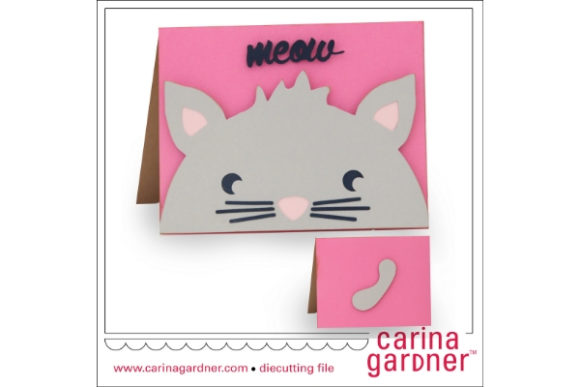
The Kitty Card SVG features a stylized 3D illustration of a cat sitting inside a folded greeting card. It’s clean, detailed, and expressive—perfect for adding a narrative element to a visual concept. The linework is crisp, and the shading gives depth without overwhelming the design. The color palette included in the files is neutral but adaptable, making it easy to customize for different brand palettes or seasonal themes. This kind of design works especially well when you want to inject personality without sacrificing professionalism.
Real-World Use: How Kitty Card Fits Into Client Projects
I recently reviewed Kitty Card for a client developing a line of pet-themed greeting cards and gift packaging. The goal was to create a warm, inviting brand identity that would appeal to animal lovers and gift-givers. Kitty Card immediately stood out as a potential anchor element for product labels, packaging accents, and social media graphics. Its 3D nature made it feel more premium than flat clipart, and the SVG format ensured scalability for both print and digital use.
- Logo design: Not ideal as a primary logo, but great as a supporting icon or sub-brand element.
- Product labels: Works beautifully as a decorative accent or focal point on boutique-style packaging.
- Social media graphics: Perfect for Instagram stories, Pinterest pins, and Canva templates where visual charm matters.
- Cricut projects: The included SVG and PNG files make it compatible with Silhouette Studio, Cricut Design Space, Scan N Cut, and more—ideal for crafters and Etsy sellers.
- Printable wall art: Scales well for downloadable art prints or themed decor.
Where Kitty Card Shines: Design Applications and Visual Strengths
This asset really comes alive in design contexts that benefit from a touch of whimsy and emotional storytelling. It’s especially effective in:
- Themed collections for pet-related brands or seasonal campaigns
- Packaging design for boutique products, handmade soaps, and artisanal goods
- Sticker and decal design for Etsy or print-on-demand shops
- Merchandise like mugs, tote bags, and t-shirts where a playful graphic is appropriate
- Editorial and blog visuals for lifestyle or parenting websites
Its 3D structure adds dimension without complexity, making it a great choice for designers who want to elevate their layouts without overwhelming the visual hierarchy.
When to Use Kitty Card with Care: Practical Design Considerations
While Kitty Card is visually engaging, it’s not a one-size-fits-all solution. I found that it should be used thoughtfully in:
- Minimalist branding where simplicity and clean lines are essential
- Small-scale applications like business cards or app icons where detail can get lost
- Corporate or professional materials where a more formal tone is required
- Busy layouts with multiple design elements competing for attention
It’s also worth noting that the playful nature of the design may not align with every brand personality—especially those aiming for sophistication or luxury positioning.
Visual Performance: How Kitty Card Impacts Design Quality
In testing, I found that Kitty Card significantly enhances the emotional appeal and audience engagement of a design. It’s a strong visual anchor that adds warmth and relatability, which is crucial for small businesses trying to build trust and recognition. However, it’s important to maintain brand consistency by matching its color scheme and style with other brand assets.
When placed next to different fonts—especially script or handwritten styles—it felt cohesive and expressive. But when paired with very formal or modern sans-serif fonts, it required careful balancing to maintain a unified brand voice.
Designer Notes: What to Test Before Using Kitty Card Commercially
Before deploying Kitty Card in a client project, here are several key checks I recommend:
- Test in black and white: Ensure the illustration still reads clearly without color.
- Preview at different sizes: Confirm legibility and detail retention at both large and small scales.
- Check contrast: Make sure it stands out on both light and dark backgrounds.
- Place on real mockups: Review how it looks on product mockups like mugs, stickers, or tote bags.
- Inspect file formats: Confirm the SVG is fully editable and the PNG has transparent background if needed.
- Review licensing: Always verify commercial use rights before deploying in client work, especially for print-on-demand or Etsy applications.
Final Verdict: A Valuable Creative Asset for Lifestyle and Craft Brands
Kitty Card is a well-crafted, flexible 3D SVG that offers both visual appeal and practical usability. For designers working with small businesses, handmade brands, or seasonal campaigns, it’s a strong candidate for inclusion in packaging, social media, merchandise, and printable designs. Its compatibility with Cricut, Silhouette, and Adobe Illustrator makes it a versatile tool in any creative workflow.
Used thoughtfully, Kitty Card can elevate a design from generic to memorable—especially when the goal is to connect emotionally with an audience. Just be sure to test it thoroughly and align its style with the broader brand identity to ensure a cohesive and professional outcome.