Little Air: A Fresh Take on Minimalist Embroidery Design
First Impressions: Light, Airy, and Full of Potential
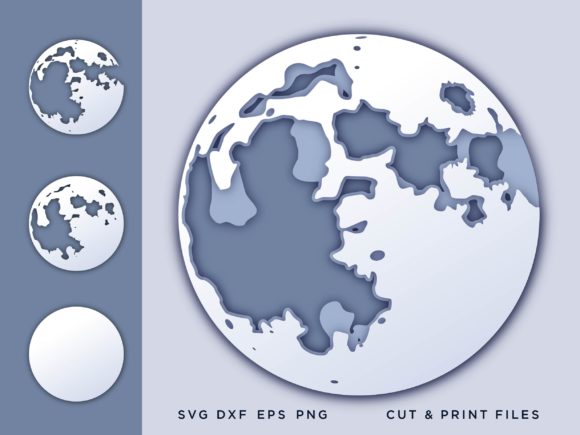
Opening the Little Air design file, I was immediately struck by its clean, modern aesthetic. It’s the kind of design that whispers rather than shouts—soft lines, subtle dimension, and a sense of openness that feels perfect for minimalist embroidery projects. The 3D SVG format adds a touch of depth without overwhelming the eye, making it ideal for those who want to add a bit of texture without going overboard.
This design feels like it belongs on breathable fabrics and in soft color palettes—think linen, cotton, and organic blends. It gives off a quiet confidence, the kind of visual personality that works well for boutique-style apparel, baby items, or even modern nursery decor.
Real-World Use: From Sweatshirts to Tote Bags
I tested Little Air on a few different projects to see how it would hold up in real embroidery work. Starting with a medium-weight cotton tote bag, I used a basic tear-away stabilizer and a standard embroidery thread palette. The design stitched out cleanly, with no puckering or distortion—even on the seams where the fabric was slightly stretched.
On a sweatshirt mockup, the 3D effect really came to life. The raised elements held their shape well and added a tactile dimension that would make the finished product feel more premium. I could easily see this design being used by Etsy sellers creating personalized sweatshirts or boutique shops looking for a signature embroidered detail.
When I tried it on a baby onesie, the result was delicate and sweet—perfect for gender-neutral baby embroidery. The design didn’t overpower the tiny garment, and the stitch density felt just right for something that would be washed frequently.
Where Little Air Shines Brightest
This design truly excels in projects that call for understated elegance. It’s not flashy, but it brings a quiet sophistication to any item it’s stitched onto. Here are a few standout use cases:
- Custom tote bags – Adds a boutique touch without competing with the bag’s function
- Personalized sweatshirts – Perfect for minimalist branding or soft monogramming
- Baby clothes and accessories – Gentle enough for delicate items, yet visually engaging
- Holiday and wedding gifts – Ideal for subtle, elegant embroidery on tea towels or pillow covers
- Digital product previews – Works well in printable mockups for Etsy sellers and digital designers
Where to Use Little Air with Care
While Little Air is versatile, it does have some limitations depending on the project. Here are a few things to keep in mind:
- Small hoop sizes – The 3D elements may lose their impact if scaled down too much
- Textured fabrics – The fine lines might get lost on heavily woven or fuzzy materials
- Stretchy fabric – Needs a good stabilizer to prevent distortion
- Dark backgrounds – May require thread color adjustments to maintain visibility
- Curved surfaces like caps – The depth might flatten out on rounded areas
If you're planning to use this in commercial embroidery or digital product sales, I recommend testing the design on multiple fabric types and mockup templates before listing it for sale. Also, check the licensing terms—especially if you're selling finished products or offering the design as part of a digital bundle.
Visual Impact and Customer Appeal
From a visual standpoint, Little Air elevates the perceived value of a handmade product. It gives off a professional, curated vibe that Etsy sellers and small business owners can lean into for branding consistency. The clean, modern look also makes it more gift-friendly—especially for buyers who appreciate subtlety over flash.
For custom apparel and embroidered patches, this design adds a touch of class without feeling too formal. It’s the kind of embroidery that says, “I put thought into this,” which can help build customer trust and repeat business.
Practical Notes for Embroidery Designers
Here are a few hands-on tips I picked up while working with Little Air:
- Test on scrap fabric – Always start with a trial run, especially if you’re using a new stabilizer or thread brand
- Check thread color contrast – The 3D effect relies on subtle layering, so choose thread shades that enhance depth
- Review stitch density – Make sure it’s appropriate for your fabric weight and intended use
- Confirm hoop size compatibility – If you're working with a small embroidery machine, scale accordingly
- Inspect small details – Some of the finer lines may require a sharp eye during editing
- Try black and white mockups – Helps visualize how the design will look without color distractions
- Compare light vs. dark fabric – The design may read differently depending on background contrast
- Use proper stabilizer – Especially important if you're stitching on stretchy or thin fabrics
- Confirm commercial use rights – Don’t assume the file is resale-friendly; always check the license
Final Thoughts: A Quietly Powerful Design Asset
Little Air isn’t the kind of embroidery file that grabs attention with boldness, but it doesn’t need to. It’s the quiet achiever—clean, versatile, and full of subtle charm. Whether you're a craft business owner building a cohesive product line or a hobbyist looking for a design that feels modern yet timeless, this one is worth a closer look.
Its compatibility with Cricut, Silhouette, and Scan-N-Cut makes it accessible to a wide range of users, and the 3D SVG format opens up creative possibilities for digital mockups and layered projects. Just be mindful of the limitations when working with tricky fabrics or small hoop sizes, and you’ll get a lot of mileage out of this design.