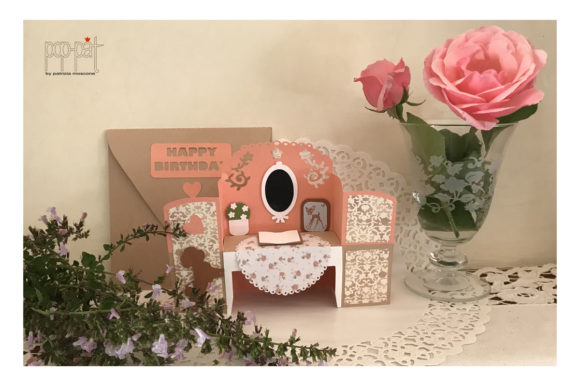
Dressing Table: A Stylish 3D SVG for Modern Design Projects
First Impressions: Elegance Meets Craftsmanship
Opening the Dressing Table design asset, I was immediately struck by its refined aesthetic and dimensional depth. This 3D SVG carries a soft, vintage-inspired charm with clean lines and subtle textures that suggest a balance between ornate detailing and modern minimalism. It’s the kind of visual element that whispers sophistication rather than shouting for attention—perfect for client projects that aim for a curated, boutique feel.
Perfect Fit for Handmade Brands and Lifestyle Campaigns
I was reviewing Dressing Table for a client launching a line of artisanal skincare products aimed at women who appreciate self-care and timeless design. The Dressing Table SVG naturally aligned with the brand’s visual language—elegant, personal, and slightly nostalgic. It could easily represent a vanity set in a product display, act as a decorative motif in packaging, or even serve as a central visual in a seasonal marketing campaign centered around self-love or home rituals.
Performance Across Design Applications
One of the strongest aspects of Dressing Table is its versatility. Here’s how it performed across several real-world design scenarios:
- Logo Design: Too detailed for a primary logo, but ideal as a supporting graphic or pattern element.
- Brand Identity: Works well as a pattern in brand boards or as a motif in packaging accents.
- Packaging Design: Especially effective on gift boxes or product inserts where the 3D detail can be appreciated up close.
- Social Media Graphics: Adds visual interest to lifestyle content, especially when paired with soft lighting and warm tones.
- Printable Wall Art: Scales beautifully for use in printable designs, especially when printed at 8x10 or larger.
- Cricut Projects: The SVG format makes it easy to cut and layer, ideal for custom home decor or personalized gifts.
Where Dressing Table Shines
This design asset excels in larger format applications where its depth and texture can breathe. It’s particularly effective as:
- A hero graphic in editorial layouts or blog headers.
- An accent element in themed product collections or seasonal campaigns.
- A decorative border or background motif in Canva templates.
- A centerpiece in product mockups for Etsy shops or print-on-demand sellers.
- A layered SVG for Cricut or Silhouette Studio projects that benefit from dimensional crafting.
Use with Caution: When Simplicity Wins
Despite its beauty, Dressing Table isn’t a one-size-fits-all solution. It can overwhelm smaller layouts or compete with other visual elements in complex designs. Avoid using it in the following contexts:
- Small-scale social media thumbnails where clarity is key.
- Minimalist branding projects that rely on clean lines and negative space.
- Corporate materials where overly ornate visuals may feel out of place.
- Low-contrast color schemes where its details may get lost.
- High-density layouts where visual hierarchy needs to be crystal clear.
Impact on Branding and Audience Engagement
When used appropriately, Dressing Table enhances the emotional appeal of a design. Its elegant contours and 3D structure create a sense of warmth and familiarity—ideal for brands that want to feel approachable yet polished. It supports brand consistency by acting as a recurring visual motif across packaging, digital ads, and social media posts. However, it’s important to ensure that the asset doesn’t overshadow other brand elements like typography or core messaging.
Practical Designer Notes Before Use
Before integrating Dressing Table into a client project, here are several checks I always perform:
- Test in black and white: Ensures it maintains visual appeal in monochrome applications like print ads or grayscale stickers.
- Check contrast: Review how it appears on both light and dark backgrounds, especially for web design or app interfaces.
- Preview at different sizes: Confirm it holds up at both small (e.g., mobile app icons) and large (e.g., poster prints) dimensions.
- Mockup placement: Load it into mockup templates to see how it integrates with real-world products like tote bags or mugs.
- Print quality: Export as a PDF and test print to verify line sharpness and color fidelity.
- File format review: Make sure all layers are editable in SVG and compatible with Silhouette Studio, Cricut Design Space, and Scan-N-Cut.
- Font pairing: Try it with serif fonts for vintage appeal, sans-serif for modern balance, and script fonts for a handcrafted touch.
- License check: Always verify that the asset includes a commercial license for resale or client use, especially if it’s part of a digital product or print-on-demand offering.
Final Thoughts: A Thoughtful Addition to Your Creative Toolkit
Dressing Table is more than just a decorative SVG—it’s a storytelling element that can elevate a design from functional to memorable. Whether you're crafting a visual identity for a small handmade business, designing a themed product line, or creating a Cricut project for a boutique client, this asset adds a layer of sophistication and intentionality. As with any design element, it requires thoughtful placement and testing, but when used well, it contributes to a cohesive, emotionally resonant visual experience that clients and audiences will appreciate.